
Radon is a naturally occurring radioactive gas that can enter homes through the soil and build up to dangerous levels indoors. It is colorless, odorless, and tasteless—meaning the only way to know your exposure risk is through testing. At SMART Home Check, we help homeowners understand the risks of radon and the critical value of installing a professional radon mitigation system to protect their family’s long-term health.
Radon levels can vary widely from home to home—even between neighboring properties. Factors such as soil composition, foundation type, construction methods, and ventilation all affect radon levels. Newer homes are not immune, and well-sealed, energy-efficient homes can actually trap higher concentrations of radon indoors.
Testing is the only way to know your home’s radon level.
At SMART Home Check, we believe education leads to better decisions. We take the time to explain radon risks, test results, and mitigation options so you can choose what’s right for your home.
Health-focused, honest recommendations
Clear explanations without fear-based sales tactics
Professional installation and guidance
Understanding how to maintenance the system
Commitment to safer, healthier homes
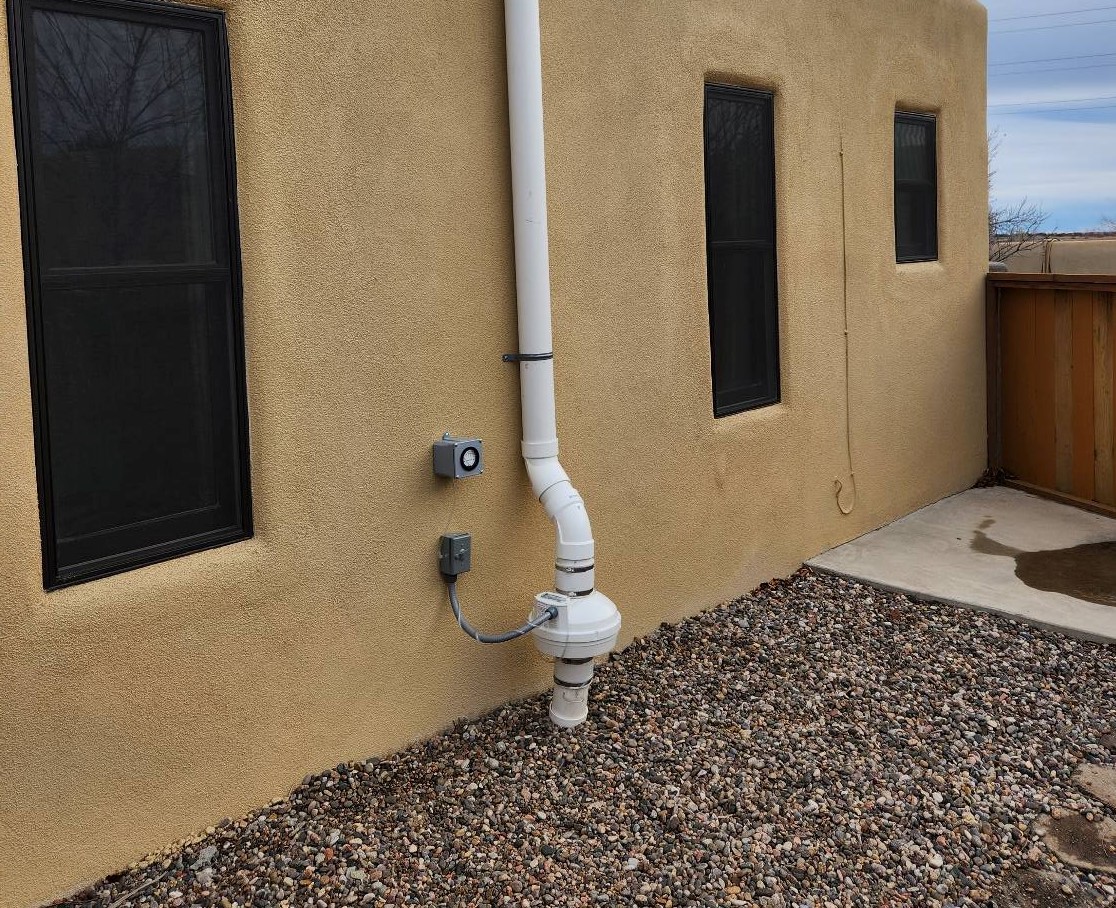
While systems are customized for each home, most mitigation systems include:
A vent pipe system that draws radon from beneath the foundation
A continuously operating fan to redirect gas outdoors
Monitoring components to confirm proper system operation
Options to reduce sound and for the system to blend in with your home
The process is minimally invasive and typically completed quickly, with little disruption to daily life.
A radon mitigation system is the most effective way to reduce radon levels in the air and to protect your family.
Properly designed mitigation systems will instantly reduce the radon levels and exposure associated health risks.
Once installed, the system works 24/7 to safely vent radon gas from beneath your home and release it above the roofline—preventing it from entering your home.
Homes with radon mitigation systems are more attractive to buyers and can help prevent delays or renegotiations during real estate transactions.